
The most significant surprise the cinema world has witnessed in 2025? The comeback of horror as a dominant force at the UK film market.
As a genre, it has impressively exceeded previous years with a 22% rise compared to last year for the UK and Ireland film earnings: over £83 million this year, versus £68.6 million last year.
“In the past year, not a single horror movie hit £10 million in UK or Irish theaters. Now, five have achieved that,” comments a film industry analyst.
The major successes of the year – Weapons (£11.4m), another hit film (£16.2 million), The Conjuring Last Rites (£14.98 million) and 28 Years Later (£15.54 million) – have all hung about in the theaters and in the popular awareness.
Although much of the professional discussion focuses on the singular brilliance of prominent auteurs, their achievements suggest something shifting between audiences and the genre.
“Viewers often remark, ‘This is a must-see regardless of your genre preferences,’” explains a film distribution executive.
“These productions twist traditional elements to craft unique experiences, resonating deeply with modern audiences.”
But outside of creative value, the consistent popularity of horror movies this year suggests they are giving audiences something that’s greatly desired: emotional release.
“Right now, there’s a lot of anger, fear and division that’s being reflected in cinema,” says a horror podcast host.
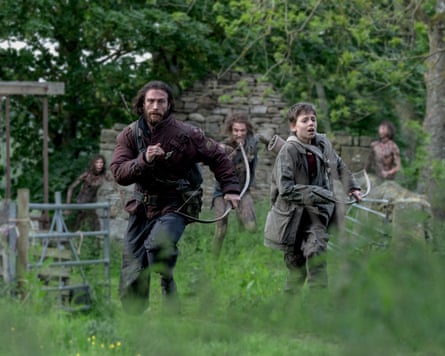
“The genre masterfully exploits common anxieties, magnifying them so that everyday stresses fade beside the cinematic horror,” says a respected writer of vampire and monster cinema.
In the context of a global headlines featuring conflict, immigration issues, political shifts, and climate concerns, witches, zombies and vengeful spirits connect in new ways with viewers.
“Some research suggests vampire film popularity correlates with financial downturns,” comments an actress from a recent horror hit.
“The concept reflects how economic systems can drain vitality from individuals.”
Historically, public discord has always impacted scary movies.
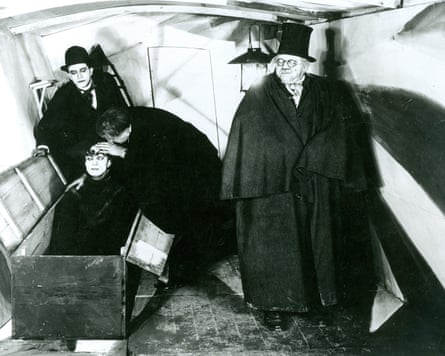
Scholars highlight the surge of German expressionism after the WWI and the chaotic atmosphere of the post-war Germany, with movies such as classic silent horror and a pioneering fright film.
This was followed by the Great Depression era and iconic horror characters.
“Take Dracula: it depicts an Eastern European figure invading Britain, spreading a metaphorical infection that endangers local protagonists,” says a academic.
“So it reflects a lot of anxieties around immigration.”
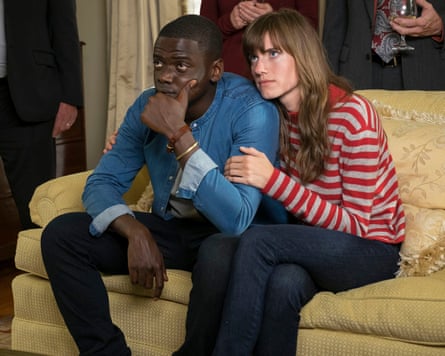
The specter of migration inspired the newly launched rural fright a recent film title.
The creator clarifies: “I aimed to delve into populist rhetoric. Specifically, calls to restore a mythical past that favored a privileged few.”
“Also, the concept of familiar individuals revealing surprising prejudices in casual settings.”
Maybe, the modern period of celebrated, politically engaged fright cinema commenced with a brilliant satire released a year after a divisive leadership period.
It introduced a fresh generation of horror auteurs, including various prominent figures.
“Those years were remarkably vibrant,” recalls a director whose film about a violent prenatal entity was one of the period's key works.
“I think it was the beginning of an era when people were opening up to doing a really bonkers horror film which had arthouse aspirations.”
The same filmmaker, who is writing a new horror original, adds: “Over 10 years, audiences’ minds have been opening up to much more of that.”
Concurrently, there has been a reappraisal of the overlooked scary films.
In recent months, a independent theater opened in a major city, showing underground films such as The Greasy Strangler, The Fall of the House of Usher and the modern reinterpretation of the expressionist icon.
The re-appreciation of this “gritty and loud” genre is, according to the venue creator, a direct reaction to the formulaic productions produced at the theaters.
“It counters the polished content from big producers. The industry has become blander and more foreseeable. Numerous blockbusters share the same traits,” he says.
“In contrast [these alternative films] are a bit broken. It’s like they’ve erupted out of someone’s subconscious and been planted out there without corporate interference.”
Fright flicks continue to disrupt conventions.
“They have this strange ability to seem old fashioned and up to the minute, both at the same time,” notes an expert.
Alongside the revival of the deranged genius archetype – with multiple versions of a literary masterpiece upcoming – he forecasts we will see fright features in the near future reacting to our current anxieties: about AI’s dominance in the coming decades and “supernatural elements in political spheres”.
Meanwhile, a biblical fright story a forthcoming title – which narrates the tale of biblical parent hardships after the messiah's arrival, and features well-known actors as the divine couple – is scheduled to debut in the coming months, and will undoubtedly cause a stir through the religious conservatives in the America.</


